
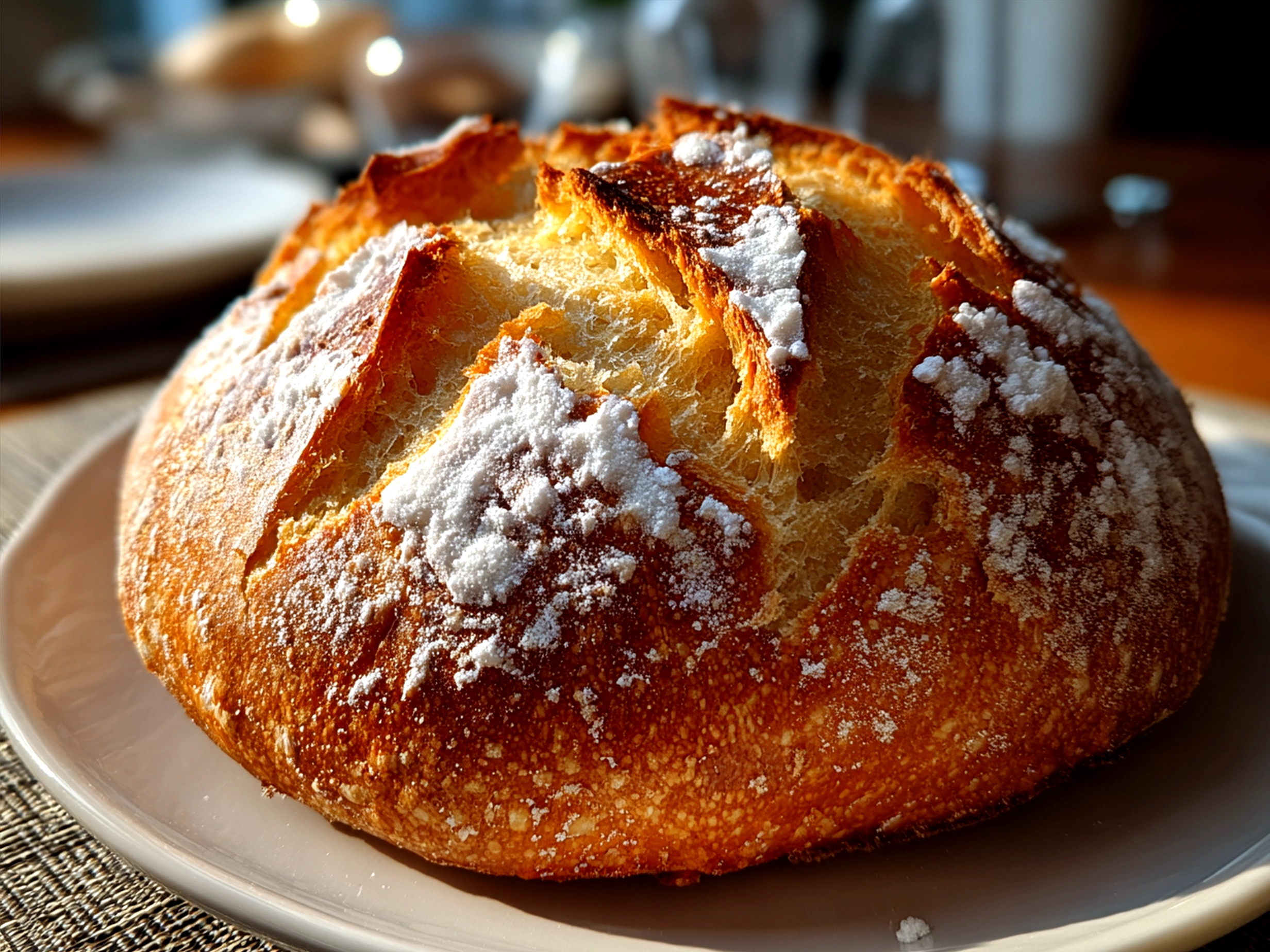
There’s a gentle magic that happens when I pull a loaf of homemade bread from the oven, the warm steam rising as it cools on the counter. This homemade bread is one of those recipes that feels much more than just food—it holds space for comfort, intention, and quiet moments of self-care. It became my soulful companion on days when I craved something grounding. The simple act of fresh bread baking started to transform from a task into a ritual that nourished my heart as much as my body.
This particular homemade bread recipe has woven itself into my cooking practice because it invites mindfulness at every step. From mixing the bread dough preparation to patiently watching the loaf rise with time, it encourages slowing down and savoring the process. It reminds me that nourishment is an experience, a rhythm that honors how we move through life. I often catch myself breathing a little easier, feeling more connected when I knead the soft dough or tear into the crusty edges of this rustic homemade loaf.
If you’re here, fellow mindful cook, I warmly invite you to join me in this simple yet soulful way of creating. Whether you’re nurturing yourself after a long day or sharing with someone dear, this homemade bread recipe holds room for love and meaning. Let’s gently step into the joy of making bread from scratch and find beauty in every fold and rise.
Soulful Ingredients for This Homemade Bread:
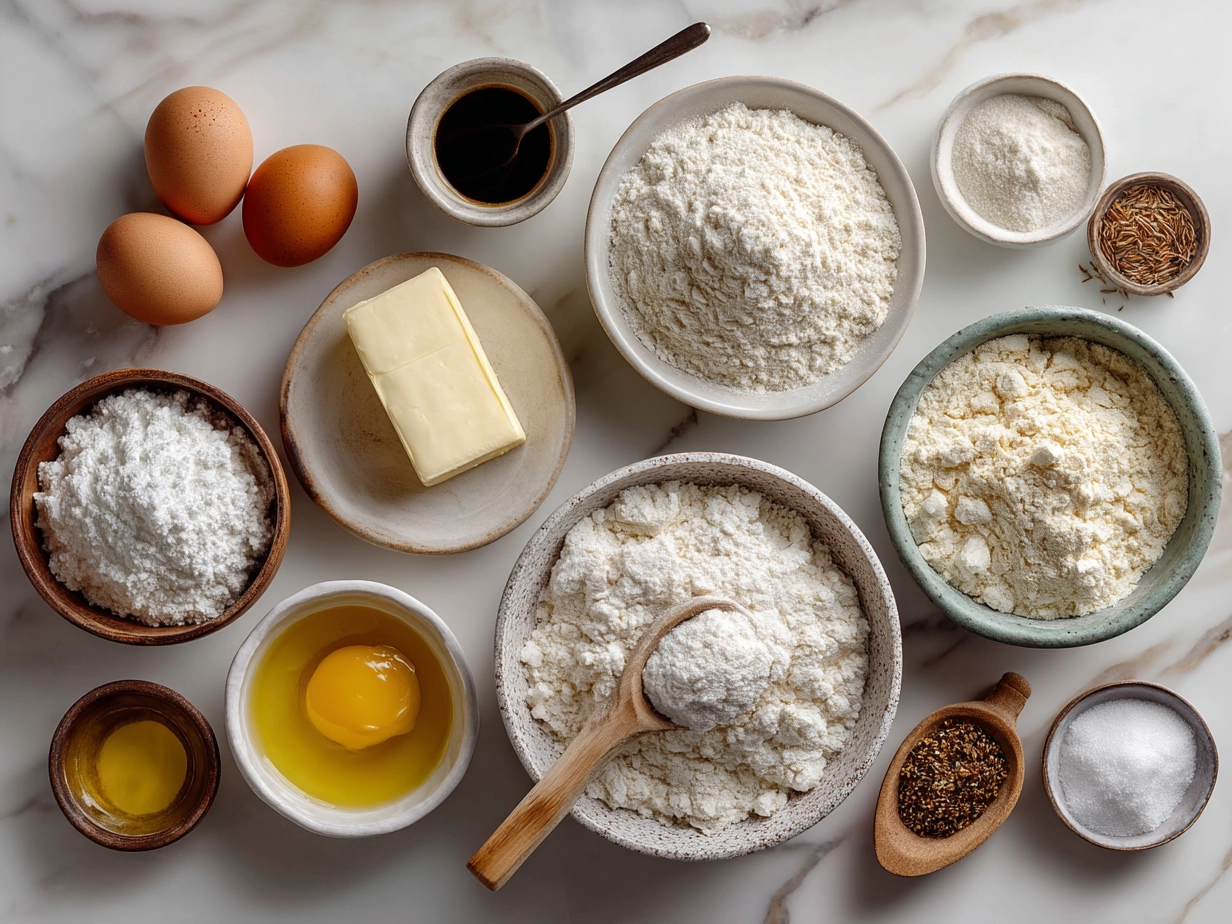
- 3 1/4 cups (390g) all-purpose flour
I choose organic, locally milled flour when possible. It supports more vibrant flavor and honors mindful sourcing. - 1 1/2 teaspoons sea salt
A small pinch holds so much balance in this homemade bread, reminding us about the power of simple details. - 1 teaspoon instant yeast
This yeast bread from scratch blooms thanks to this tiny organism working quietly—a beautiful reminder of patience. - 1 1/2 cups (360ml) warm water (about 110°F / 43°C)
The warmth gently calls the dough to life. If you prefer, you can substitute part of the water with herbal tea for a subtle flavor shift. - 1 tablespoon olive oil (optional)
For a softer crumb and soulful richness, I sometimes add olive oil, especially when I’m baking a more tender loaf.
Here’s a mindful swap: If you prefer whole wheat flour, replacing half of the all-purpose flour with it brings earthy depth to this homemade bread without losing its softness. For a dairy-free option, the olive oil adds a nurturing fat, but feel free to leave it out to honor your comfort level.
I always take a moment before mixing these ingredients—the simple gathering, the natural colors and textures connecting me to the earth. Choosing organic and local ingredients whenever possible infuses this homemade bread with more care and intention. When storing, I recommend keeping the bread wrapped gently in a linen cloth or wax paper at room temperature to preserve its delicate crust. If you find yourself with leftover slices, toast them lightly in peaceful moments or create toasted garlic bread by brushing with olive oil and herbs—a warm delight I often return to here.
Creating Your Homemade Bread with Presence:
- Begin by combining the flour, sea salt, and instant yeast in a large mixing bowl. Before stirring, pause to breathe deeply. Feel gratitude for the simple ingredients coming together to make something nourishing.
- Add the warm water slowly, stirring with a wooden spoon or your hand. You’ll notice the dough slowly coming alive—sticky, soft, yet firm under your touch. This bread dough preparation is a gentle reminder that creation takes time and intention.
- If using olive oil, drizzle it now and fold it into the dough. This step in your homemade bread feels like offering richness and softness—a mindful moment to honor your preferences.
- Cover the bowl loosely with a clean cloth. Set it in a warm, quiet space and allow the yeast bread from scratch to rise. This usually takes about 1 to 1 ½ hours. While that rises, take a deep breath and let your mind rest. Notice the quiet anticipation growing as the dough swells.
- After the dough has doubled in size, gently turn it out onto a lightly floured surface. With soft hands, fold it over a few times, shaping it into a rustic homemade loaf shape. Resist the urge to rush—the act of shaping is a beautiful chance to connect with your bread and yourself.
- Place the dough onto a parchment-lined baking sheet or a floured banneton basket if you have one. Let it rest for another 30-45 minutes. As your homemade bread rests, notice how the scent deepens—there’s something profoundly comforting in the aroma of transforming dough.
- Preheat your oven to 450°F (232°C). If you want a crispier crust, place a small pan with water on the oven floor for steam.
- Before placing your bread in the oven, score the top gently with a sharp knife. These cuts allow your loaf to breathe—to express itself fully as it bakes.
- Bake for about 25-30 minutes or until the crust turns a warm golden brown. This homemade bread will fill your kitchen with a soul-soothing aroma. If your bread looks a little rustic or uneven, trust the process. Imperfections highlight the handmade love and time devoted to it.
- Allow the loaf to cool completely on a wire rack before slicing. This resting period lets the texture settle, helping you savor every bite.
I’ve learned that making homemade bread doesn’t have to be hurried or perfect—it’s truly a gentle practice. You might enjoy pairing this process with a quiet playlist or your favorite tea. Notice how your attention to these small details shapes the nourishment this bread brings.
Nourishing with Your Homemade Bread:
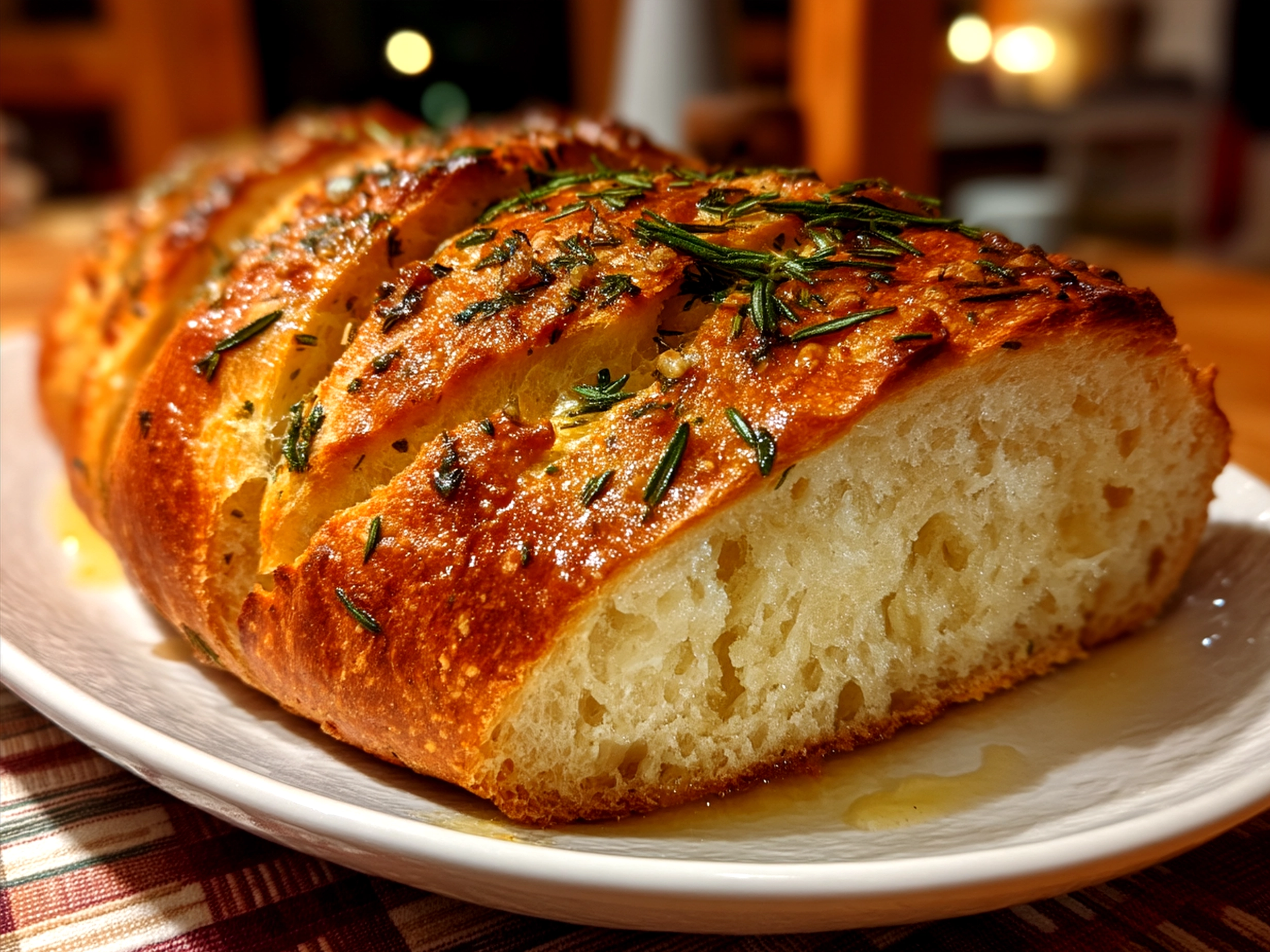
This homemade bread truly nourishes when served with small, mindful rituals. I find peace spreading a pat of good quality butter or drizzling fresh olive oil slowly over a torn slice. A sprinkle of sea salt or fresh herbs can bring a subtle, soulful touch.
Pairing suggestions that feel like companions: creamy cheese, homemade jam, or warm soups for a cozy meal. I often serve this bread during intimate gatherings or quiet Sunday mornings. Its rustic homemade loaf texture lends itself beautifully to dipping or for holding hearty stews. It reminds me of the cranberry raisin walnut cinnamon artisan bread I cherish, which offers a sweet, nourishing twist for different moods—mindful cooks might appreciate that recipe if you desire more depth in your bread baking journey.
Leftovers become a cherished treat when lightly toasted and topped with avocado or hummus. Sometimes in colder months, I’ll turn slices into a warming garlic bread, inspired by a favorite easy recipe here. Seasonally, adding rosemary or sage into the dough brings an earthy essence that aligns with autumn’s soul.
Sharing this homemade bread has always been a heartwarming experience. I’ve watched loved ones close their eyes in peaceful gratitude after that first warm bite, a simple connection born through breaking bread and presence.
Gentle Guidance for Your Homemade Bread:
Can I prepare this homemade bread with more mindfulness? Absolutely. Allow your hands to feel the dough’s texture, breathe between steps, and honor the time needed. This bread dough preparation invites quiet reflection and gentle presence.
What’s a nourishing alternative to all-purpose flour in this homemade bread? I often swap half with whole wheat flour for earthiness or spelt flour for a mild, nutty flavor. Each swap shifts the soul of the bread in a lovely way.
How can I make this homemade bread feel more comforting? Adding a touch of olive oil or mixing in herbs like rosemary turns this bread into a warm hug for your senses. Baking it in a warm kitchen with your favorite calming sounds also supports the mood.
Is yeast bread from scratch hard to make? It becomes quite approachable once you embrace the slow rhythm. No need for perfection—the rising dough and hearty crust celebrate the time and care given.
Can I use sourdough starter instead of yeast? Yes, and that rustic homemade loaf quality shines in sourdough versions. For those curious, Alexandra’s kitchen offers a wonderful beginner’s guide to homemade sourdough bread.
What if I want a quicker version? No-knead methods inspired by rustic artisan bread recipes often require less hands-on time but still yield soulful results. Citrine Living’s recipe is a gentle place to start for ease.
How should I store my homemade bread? Keeping it wrapped in linen or wax paper at room temperature preserves the crust. For longer storage, slice and freeze portions, then re-toast gently in the oven or toaster.
Are there easy ways to make this artisan bread recipe gluten-free? While traditional homemade bread relies on gluten, mixing in gluten-free flours for partial swaps can work with adjustments. The Conscientious Eater offers ideas for whole wheat artisan bread adaptations that inspire gluten-friendly options.
Soulful Reflections on This Homemade Bread:
This homemade bread holds a special place in my collection for its gentle invitation to slow down. It reminds me that nourishment is a full sensory experience—touching my hands, filling my kitchen with warmth, and bringing a quiet satisfaction to the table.
Heartfelt Tips for This Homemade Bread:
- Patience in rising brings out the richest flavors and textures.
- Simple reading of the dough’s look and feel is your best guide—feel free to trust your intuition.
- Baking with steam nourishes the crust’s character and soul, turning a humble loaf into a rustic homemade loaf with beautiful depth.
Among variations, I cherish adding rosemary and sea salt for a fragrant, earthy twist. Another favorite is folding in olives and a bit of garlic for savory comfort. Lastly, a hint of cinnamon and nutmeg makes a softly sweet loaf that feels just right for quiet evenings.
For me, the version with olive oil and rosemary offers the most nurturing warmth. Each bite feels like a soft embrace, perfect for those moments when you’re seeking deep comfort.
Friends on this journey, I encourage you to make this homemade bread your own. Listen gently to what your spirit and senses invite. I hope each time you pull this loaf from the oven, you feel held and nourished—not only in body but in heart.
If this recipe inspires you, you might enjoy the soothing ease of a garlic bread twist found here, or dive into the world of artisan bread with soulful favorites like the cranberry raisin walnut cinnamon artisan bread recipe. For more rustic homemade loaf ideas, the no-knead recipe from Citrine Living brings gentle ease, and Alexandra’s Kitchen shares soulful sourdough bread guidance.
May your kitchen feel like a place of calm and love each time you make this homemade bread. You deserve nourishment that reaches every part of you.
Homemade Bread

Experience the warm, comforting aroma and taste of freshly baked homemade bread, perfect for any meal or snack. This simple recipe yields a soft, crusty loaf that’s easy to make from scratch.
- Prep Time: 15 minutes
- Cook Time: 35 minutes
- Total Time: 1 hour 50 minutes
- Yield: 1 loaf (about 8 servings)
- Category: Dinner
- Method: Baked
- Cuisine: American
Ingredients
- 3 1/2 cups all-purpose flour
- 1 packet (2 1/4 tsp) active dry yeast
- 1 1/4 cups warm water (110°F/45°C)
- 2 tbsp sugar
- 2 tbsp olive oil
- 1 1/2 tsp salt
Instructions
- In a small bowl, dissolve sugar and yeast in warm water; let it stand for 5-10 minutes until frothy.
- In a large bowl, combine flour and salt. Make a well in the center and add yeast mixture and olive oil.
- Mix until a dough forms; knead on a floured surface for about 8-10 minutes until smooth and elastic.
- Place dough in a lightly oiled bowl, cover with a clean towel, and let rise in a warm place for 1 hour or until doubled in size.
- Punch down dough and shape it into a loaf. Place in a greased loaf pan or on a baking sheet.
- Cover and let rise for another 30-45 minutes until doubled.
- Preheat oven to 375°F (190°C). Bake bread for 30-35 minutes until golden brown and sounds hollow when tapped.
- Remove from oven and cool on a wire rack before slicing.
Notes
For a richer flavor, brush the top with melted butter right after baking. Serve warm with butter or your favorite spread.