

There was a quiet morning when I first truly understood how a French Croissant can nourish more than just the body. It was chilly outside, the kind of day where you want to wrap your hands around something warm, and I found myself slowly rolling out the delicate pastry dough layers with care. As the buttery croissant dough began to take shape, its gentle, flaky texture promised more than just a breakfast pastry—it felt like a soft embrace for my soul. That morning, the act of preparing that French Croissant shifted from a routine to a form of self-care.
Making this French Croissant became a ritual, connecting me back to simpler, tender moments. Each fold of the laminated dough was a reminder to slow down, to appreciate the rhythm of creation, and to bring softness into my day. This recipe isn’t about perfection but about presence and love. It became a gentle answer on days when I needed comfort and a reminder that nourishment is holistic.
If you’re here, friend, perhaps you’re longing for that kind of connection with your food too. This French Croissant recipe invites you to approach baking with tenderness and mindfulness. As you prepare the buttery croissant layers, feel invited to honor your pace and your heart’s hunger for something meaningful. For more soulful inspiration, you might enjoy this mindful dish, the perfect French onion dip that lovingly complements slower moments.
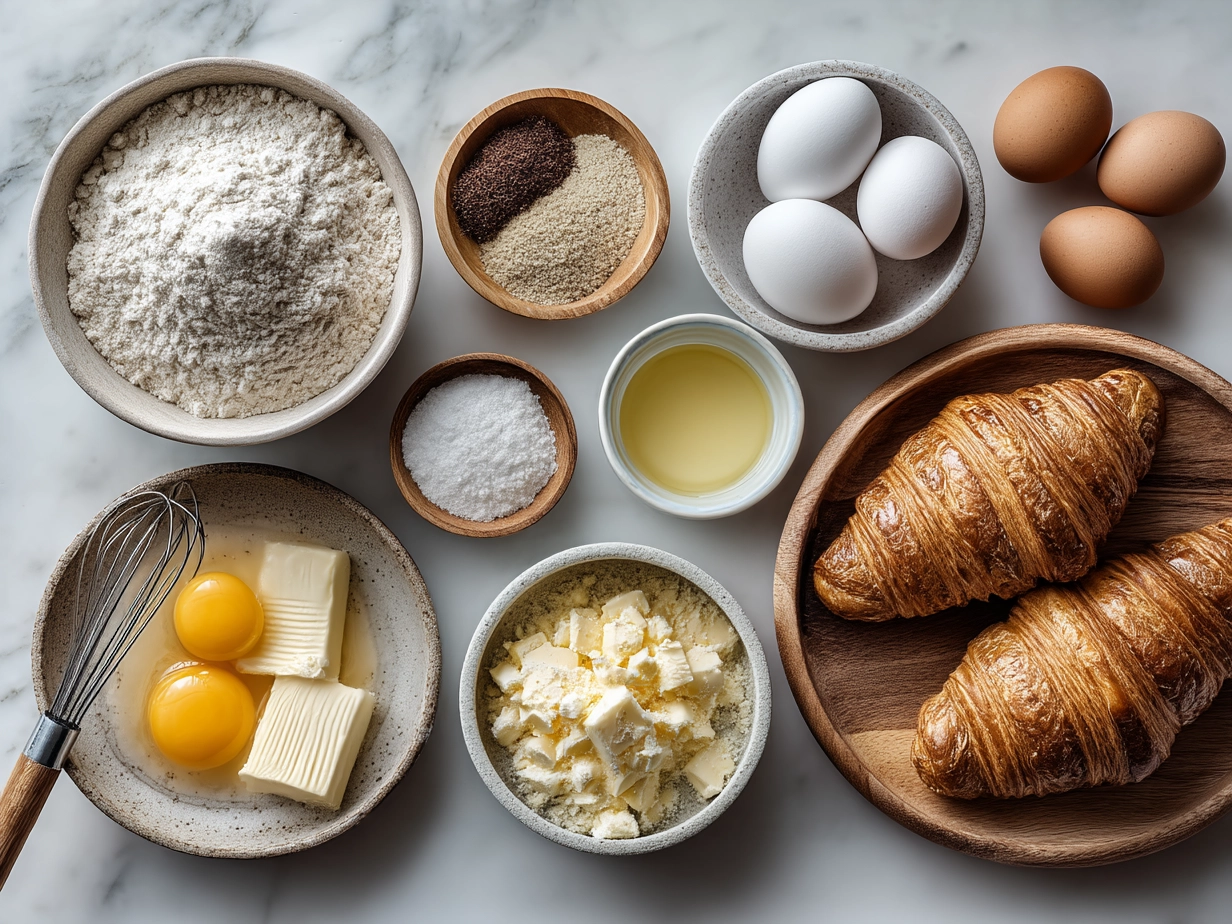
Soulful Ingredients for This French Croissant:
- 300g all-purpose flour (Choose organic when possible for this French Croissant; it supports well-being with pure, simple nourishment.)
- 10g fine sea salt (A grounding note for balance in your buttery croissant.)
- 40g granulated sugar (Adds a gentle sweetness that embraces the flaky texture.)
- 10g instant yeast (Fresh or active dry yeast works; this is what gently lifts the laminated dough.)
- 180ml whole milk, lukewarm (Prefer plant-based? Warm oat milk can be a comforting swap in this French Croissant.)
- 150g unsalted butter, cold (The heart of buttery croissant layers, bringing richness and that tender crumb.)
- 1 egg, for egg wash (Optional, but it gives a warm golden glow to your breakfast pastry.)
When sourcing these ingredients for your French Croissant, I always take a moment to appreciate their journeys—from the fields to my kitchen. Organic and locally sourced items feel like an honoring of the earth’s kindness, which feeds into the soul of this recipe.
To prepare, gently measure and set ingredients mindfully. Keep your butter cold to preserve those precious flaky layers in the laminated dough. If you ever wonder about storing your leftover dough or finished croissants, wrap them carefully in parchment and keep refrigerated. This slow resting also deepens flavors and texture, doubling as a moment for you to savor anticipation in your soulful cooking practice.
Creating Your French Croissant with Presence:
- Begin by mixing the flour, salt, sugar, and instant yeast in a large bowl. Notice the dry ingredients as they come together—each one ready to become part of something tender and delicate. Pour in the lukewarm milk slowly, mixing gently. Feel the dough start to form, a soft ball soon to hold your loving attention.
- Turn the dough onto a lightly floured surface and knead softly for about 5 minutes. If it feels sticky, sprinkle lightly with flour, but keep it smooth and pliable. This kneading is a quiet moment to breathe and connect—imagine each fold inviting calm into the process.
- Shape the dough into a rectangle, cover it loosely, and let it rest in a warm spot for an hour, or until it doubles in size. While waiting, maybe take a deep breath or sip your favorite morning drink, leaning into this pause.
- Now comes the heart of the French Croissant: incorporating the butter for those famed pastry dough layers. Place your cold butter between two sheets of parchment and gently pound it into a thin, even square. Feel grateful for the buttery richness that will transform this dough into flaky texture magic.
- Roll out your dough into a large rectangle, then place the butter square onto one half. Fold the other half over to enclose, sealing the edges gently but securely. This laminated dough will soon reveal the lightness and layers to come.
- Roll out the dough lengthwise and fold it into thirds, like a letter. Cover and chill for 20 minutes. Repeat this fold and chill cycle two more times. These moments are perfect chances to pause—breathe deeply as you nurture both dough and spirit.
- After the final chill, roll the dough into a rectangle about ½ cm thick. Cut triangles for shaping your croissants. Roll each triangle gently from the base toward the tip, curling softly into that classic crescent shape.
- Place the croissants on a lined baking tray, cover, and let them proof until puffy, about 1-2 hours. As they rise, notice their transformation—the promise of a morning pastry that offers more than just taste but soulful pleasure.
- Before baking, brush the croissants with the egg wash. This finishing touch invites warmth and shine after baking.
- Bake in a preheated oven at 200°C (400°F) for 12-15 minutes, until golden and inviting. The smell will fill your kitchen with a buttery croissant fragrance, a true comfort.
If you find your croissants don’t look quite perfect on the first go, hold kindness for your efforts. The process of making a French Croissant is deeply rewarding, and every batch brings new comforts and lessons. For a different approach that respects your time and still celebrates flaky texture, Sarah Kieffer’s foolproof cheater croissant dough is a thoughtful resource worth visiting.
Nourishing with Your French Croissant:
Enjoying this French Croissant feels best with intention. Whether shared over quiet morning pages or as a comforting breakfast pastry on a soft weekend, these buttery croissants bring more than delight; they offer a moment of peace.
I love pairing mine with fresh fruit preserves or a gentle smear of goat cheese. The balance between sweet and tangy whispers care to your palate and soul. Sometimes, I keep it simple with high-quality butter and a quiet cup of tea, savoring the flaky texture amid soft light.

Meaningful occasions for this French Croissant stretch beyond Sunday mornings. They are perfect to commemorate small victories or to soothe anxious moments—anytime nourishment feels like a gift to yourself. Leftovers, when there are any, become croutons for soup or sandwiches the next day. It’s a reminder that every crumb has a story.
Seasonally, I’ve added a sprinkle of cinnamon or a drizzle of honey before baking, layering sweetness thoughtfully onto the classic. Your soulful touch will make this recipe your own. Friends and family often express gratitude when these croissants appear, elevating shared moments into something more nourishing.
For those who love the hands-on crafting and want more inspiration about this breakfast pastry, the Classic Croissants group on Facebook is full of kindness and guidance. It’s comforting to know others walk the path of flaky texture and laminated dough with both patience and joy.
Gentle Guidance for Your French Croissant:
Can I prepare this French Croissant with more mindfulness?
Absolutely. Approach each step with the intent to connect rather than rush. Feel the flour slip through your fingers and notice the subtle shifts in dough’s softness. This way, your baking becomes a meditative act.
What’s a nourishing alternative to butter in this French Croissant?
While butter is central to that beloved buttery croissant quality, for a gentler swap, try a plant-based margarine with a good fat content. It may alter the texture slightly but still offers warmth and richness that comforts the soul.
How can I make this French Croissant feel more comforting?
Try serving it warm, wrapped in a linen napkin, alongside a cup of herbal tea or coffee. Adding a touch of homemade jam deepens the feeling of care and presence in your meal.
Is it okay if the pastry dough layers aren’t perfectly distinct?
Yes, it’s a loving reminder that food is never about perfection. The flaky texture will develop with practice, and each imperfect layer holds stories of your mindful attention.
Can I prepare the laminated dough ahead of time?
Definitely. You can prepare the laminated dough up to the shaping stage, then refrigerate it overnight. This slow rest enhances flavor and gives you space to schedule your soulful baking.
What if I don’t have time for multiple folds and chills every day?
Consider a shortcut like the foolproof cheater croissant dough method available online, which honors time constraints without missing the heartwarming flaky texture.
How do I store leftover French Croissants for later enjoyment?
Store croissants wrapped in parchment at room temperature for up to 2 days or freeze them in airtight bags. Reheat gently to bring back that lovely buttery croissant experience.
These questions and reflections come from my own journey with French Croissants, filled with both eagerness and gentleness. For ongoing support, you can visit mindful cooking communities like Euphoric Delights on Facebook, where soulful cooks share warmth and encouragement.
Soulful Reflections on This French Croissant:
This French Croissant remains a cherished recipe in my kitchen because it invites me back to gentle presence. It’s a grounding way to nourish my body and spirit through simple, intentional ingredients and steps. The buttery croissant layers are like a metaphor for patience and self-kindness—the more time and care given, the more beautiful the result.
Heartfelt Tips for This French Croissant:
- Treat your butter and dough with cool, gentle hands to keep those pastry dough layers distinct and tender.
- Embrace the resting and folding phases as sacred slow moments, turning baking into a soulful ritual.
- Trust your intuition at every step—if the dough feels too soft or firm, adjust with kind awareness.
Here are a few soulful variations I adore:
- Adding a sprinkle of almond flour in the dough for a subtle nutty twist.
- Layering a thin spread of dark chocolate inside before rolling for a rich surprise.
- Folding in fresh herbs like thyme or rosemary during the last fold, for an earthy note.
For me, the original version feels the most nurturing—a pure reflection of mindful love through buttery croissant layers and flaky texture. But each variation has its own soulful charm.
Dear friends on this journey, I hope as you prepare your French Croissant, you feel the warmth and ease that this humble recipe offers. May it bring you comfort, presence, and that heartwarming sense of nourishment from your kitchen to your soul.
If you crave other recipes to fill your days with mindful joy, this classic French onion soup made in a Dutch oven is a beautiful companion. And for an easy dip that matches the croissant’s soul, you can find a perfect French onion dip that delights.
Remember, your kitchen is a place for love and presence—enjoy every buttery croissant layer and the soulful gift it brings.
French Croissant

Classic French croissants are flaky, buttery pastries with a light, airy texture and a golden crisp crust, perfect for breakfast or a delightful snack.
- Prep Time: 30 minutes
- Cook Time: 20 minutes
- Total Time: 3 hours 30 minutes
- Yield: 12 croissants
- Category: Breakfast
- Method: Baked
- Cuisine: French
Ingredients
- 4 cups all-purpose flour
- 1/2 cup warm milk
- 1/4 cup warm water
- 1/4 cup granulated sugar
- 2 teaspoons active dry yeast
- 1 teaspoon salt
- 1 1/4 cups cold unsalted butter
- 1 large egg (for egg wash)
Instructions
- In a small bowl, dissolve yeast in warm water and milk with a teaspoon of sugar. Let sit for 5–10 minutes until frothy.
- In a large mixing bowl, combine flour, sugar, and salt. Add the yeast mixture and mix to form a dough.
- Knead dough on a floured surface for about 5 minutes until smooth. Shape into a ball and refrigerate for 1 hour.
- Roll cold butter into a thin rectangular sheet between parchment paper. Chill until firm.
- Roll out chilled dough into a larger rectangle and place the butter sheet in the center. Fold dough layers over butter to encase it completely.
- Roll out the dough and fold it in thirds (like a letter). Refrigerate for 30 minutes. Repeat the rolling and folding process 3 times, chilling between each fold.
- Roll dough into a large rectangle about 1/4 inch thick. Cut into triangles.
- Roll each triangle from the wide end to the tip to form a crescent shape. Place on baking trays lined with parchment paper.
- Brush croissants with beaten egg for a glossy finish.
- Let croissants proof at room temperature for 1–2 hours until doubled in size.
- Preheat oven to 400°F (200°C). Bake croissants for 15–20 minutes or until golden brown and flaky.
- Cool slightly before serving.
Notes
For extra flavor, try adding a thin layer of almond paste inside before rolling or brush with melted butter immediately after baking for a richer crust.